A holiday in Jesolo is more than a parasol and a dinner: the resort has built up over the years a dense offering of family activities, water sports, public events and nightlife. This page lines up the most significant options, with a few notes on average prices and suitable periods. The thread is thematic: what to do in Jesolo if you travel with children, if you play sport, if you want culture, if you live the night.
Families with children
Jesolo is probably the Italian destination most thoroughly built around family tourism. Alongside the gently shelving beach already described in its dedicated page, the resort offers a recreational infrastructure that is hard to match anywhere else on the northern Adriatic.
Aqualandia
The Aqualandia water park has been one of Jesolo’s signature attractions since the 1990s, sited by Piazza Brescia at the eastern edge of the Lido. It offers slides, wave pools, a lazy river, attractions for younger children and a teen zone with launch towers. A high-season day ticket sits around 40 euros for adults, with reductions for children and discounted afternoon tariffs. Usually open from late May to early September, 10am to 6pm. A full day is the right format.
Sea Life Jesolo
The Sea Life aquarium is in Piazza Brescia, housed within the Aqualandia complex but with its own entrance and a separate ticket. It shows Mediterranean, tropical and freshwater species in themed tanks, with narrative trails suitable for primary-school children. Typical visit time: an hour and a half. A good option for the hottest afternoons or an unexpected rainy day.
Tropicarium Park
Smaller than Aqualandia but very popular with families, Tropicarium Park in Via Aleardi is an aquarium and biopark focused on reptiles, amphibians and tropical fauna. You can see crocodiles, pythons, alligators and iguanas at close range on a covered trail. The visit takes about an hour and a half, with tickets around 15-18 euros. Particularly suited to children aged 5 to 12.
Seasonal theme attractions
During the summer, several seasonal sites open along the seafront for the youngest visitors: Pista Azzurra (a children’s go-kart track), Jesolandia (a traditional funfair), New Jesolandia (rides and attractions), and a number of evening play centres around Piazza Mazzini and Piazza Brescia. These are low-cost-per-event attractions, generally run by local families, and form part of the fabric of the evening stroll.
Sport and watersports
The upper Adriatic is a windy, relatively flat sea — conditions made for sports that need wind without long swells. Jesolo hosts sailing, windsurfing, kitesurfing, SUP and kayaking. The main sailing centres cluster around Piazza Mazzini and at the eastern end. Basic sailing lessons start at around 50-80 euros for two hours; private SUP lessons from 25-35 euros.
Kitesurfing has found an interesting but limited base in Jesolo: the best winds blow in the Cavallino-Treporti area, where long-established schools and dedicated stretches of beach operate. For more experienced kitesurfers the trip across to Cavallino is more or less obligatory. Recreational fishing is practised from the beach-club piers and along the mouths of the Sile and the Piave, with a compulsory permit from the Italian Federation of Sport Fishing.
On the beach, the clubs run morning classes in water aerobics, yoga, pilates and functional training, generally free for affiliated guests. Beach-volley and beach-tennis courts are present in virtually every beach club, with summer tournaments organised by the Consorzio Bagnanti. Afternoons are given over to lessons by local volleyball coaches, at very low rates.
Cycling
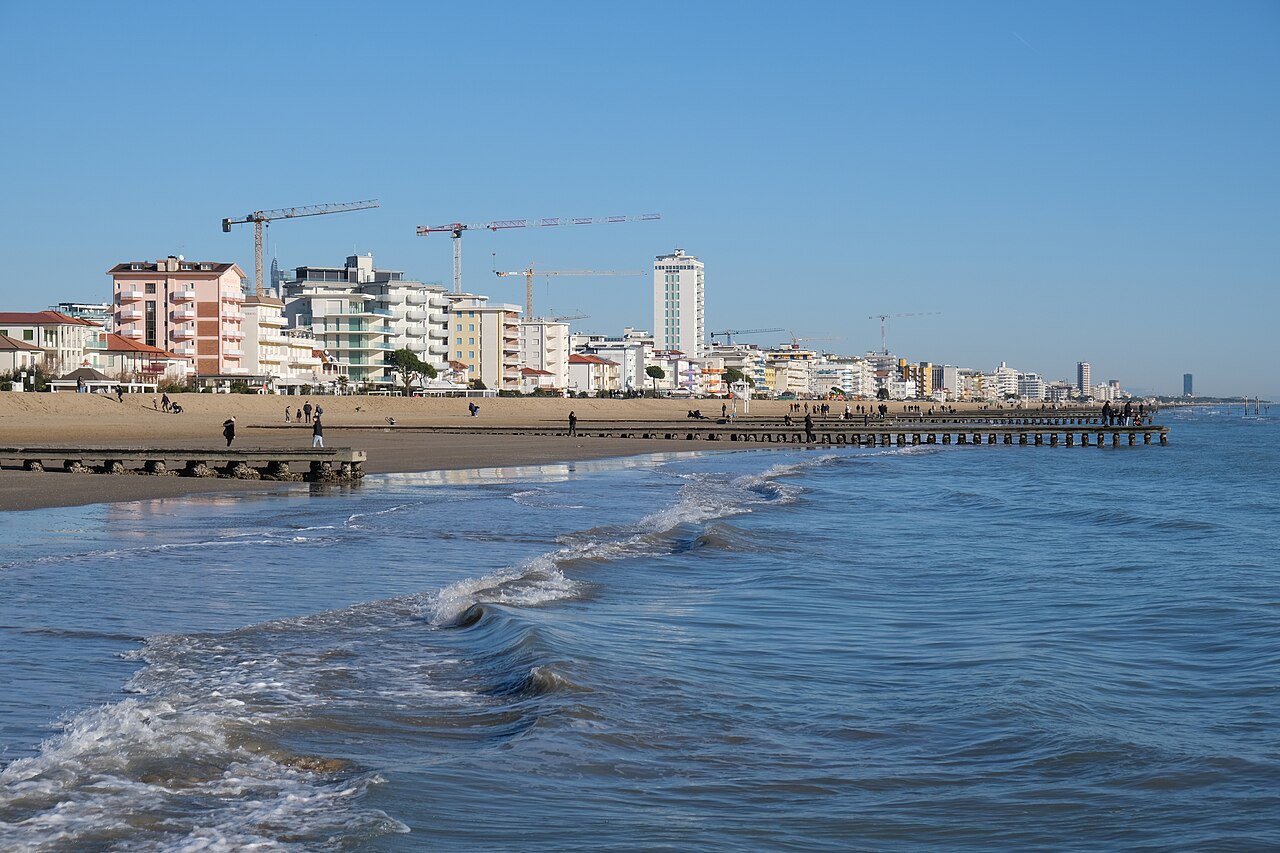
Jesolo is a more serious cycling destination than its beach image suggests. The cycle paths along Via Levantina and Via Aquileia cover the whole Lido from east to west. The main axis, the Litoranea Veneta, is a cycle-tourism route connecting Cavallino-Treporti to Trieste via the northern lagoon, the mouths of the Tagliamento and the Carso of Trieste. The stretch between Jesolo and Cavallino, about 13 kilometres, runs almost entirely on dedicated path or low-traffic roads.
Lido hotels generally offer free or token-fee bike loan for guests. Commercial rentals start at 8-12 euros a day for a city bike, 18-25 for an e-bike. A few half-day routes worth doing: the Jesolo-Cavallino-Punta Sabbioni cycle path; the loop around the Vallevecchia nature reserve (at Caorle); the Piave embankment towards Musile and San Donà; the route between Jesolo Paese, Eraclea and the Cà Roman reserve.
Events and seasonal calendar
The Jesolo events calendar shifts from year to year, but a few fixtures have been stable for decades and represent strong draws.
Sand Sculptures Festival
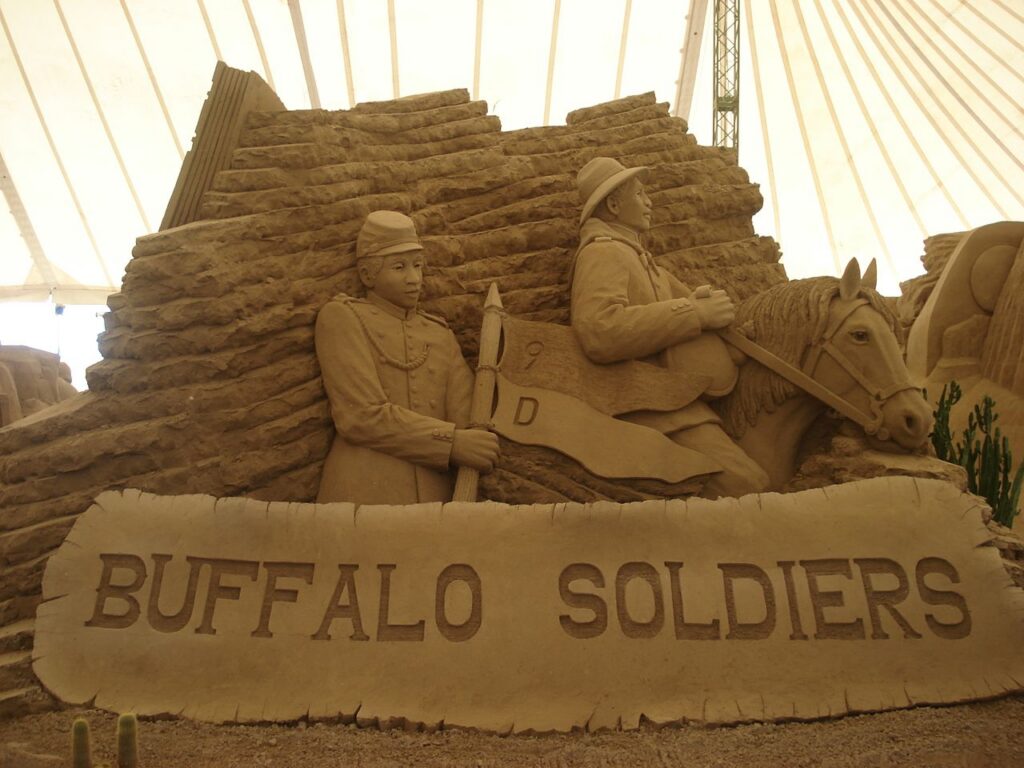
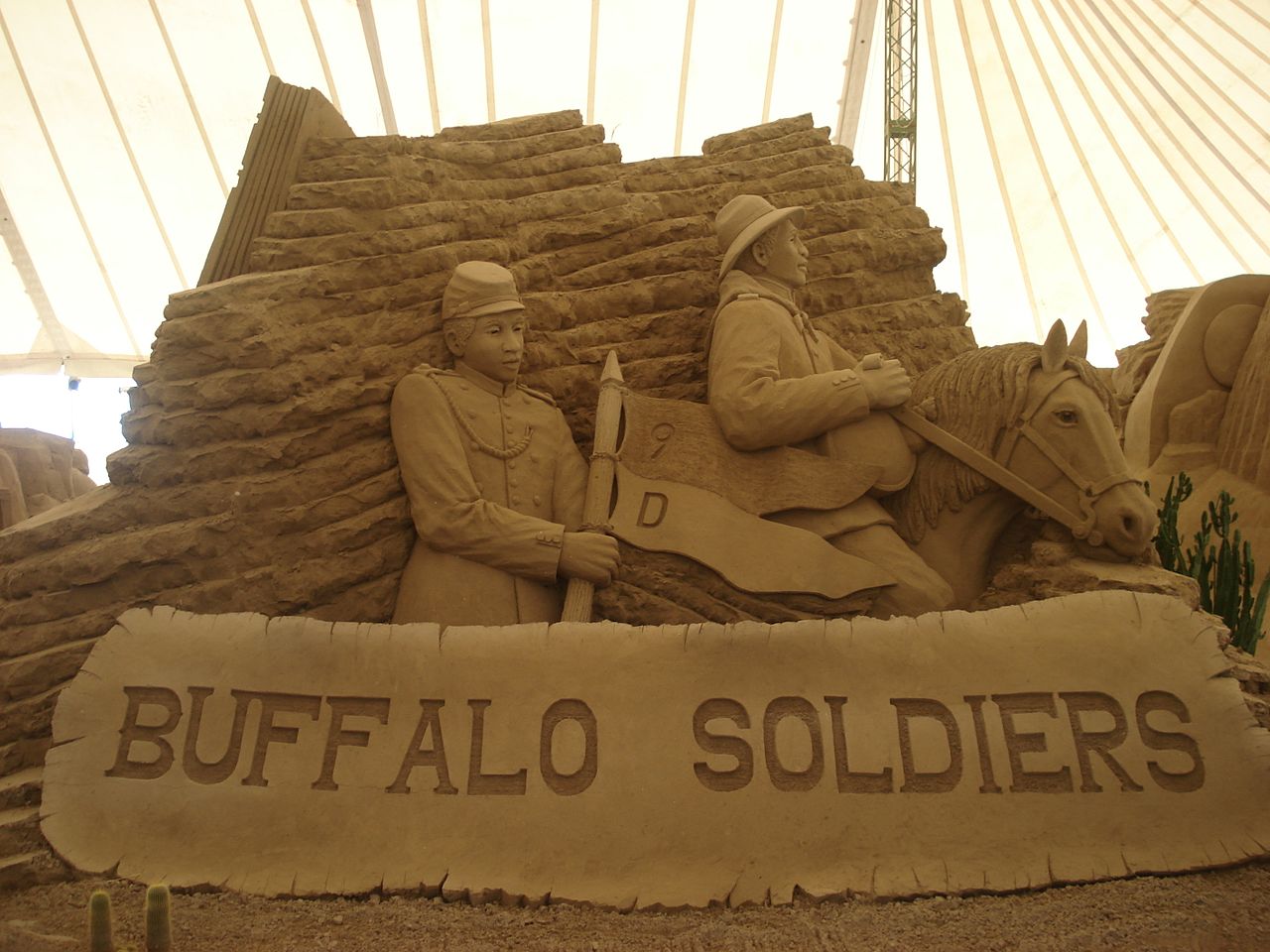
The international sand sculptures festival has run at Jesolo for more than two decades, typically from May to September, with a yearly iconographic theme that draws monumental works by international artists. The sculptures, exhibited along a dedicated stretch of the seafront, stay on view for the whole summer. Admission is around 10-12 euros, with discounts for children. It is the most recognisable cultural event on the coast and is, on its own, a reason to visit when you are in Jesolo in the right window.
Evening events in the squares
Throughout the summer, the squares of the Lido — Brescia, Marconi, Mazzini, Drago, Aurora — host free concerts, themed markets, parades and street performers. The current programme is generally published on the official Jesolo municipality website and posted on the noticeboards in each beach club. July and August evenings are particularly intense, often with two or three events running at once to choose between.
New Year and the off-season
Jesolo also stays alive out of season around two events: New Year (with a large party in Piazza Mazzini and fireworks over the seafront) and the Christmas period (with the great Christmas tree, a temporary skating rink and markets). They are minor draws compared with summer but they keep the resort going beyond the beach. Almost every hotel does close between October and the end of May, however, and the properties open for New Year are only a small number.
Nightlife
Jesolo is one of the most structured nightlife destinations on the Adriatic coast. The model is the pedestrianised evening axis of Via Bafile (active from 7pm to 2 or 3am in the central section, between Piazza Brescia and Piazza Mazzini), supplemented by venues dedicated to genuine late-night clubbing at the eastern end and in a few western spots. The historic discos, some of them open since the 1970s and reshaped several times, typically run from midnight to 4am. The clientele is mixed, between Italians, Austrians and central European groups.
For a quieter evening, central Via Bafile offers dozens of aperitivo bars, themed pubs, ice-cream parlours with outdoor tables, fish restaurants and pizzerias. The evening promenade, walked in the summer months by tens of thousands of people, is an event in its own right. Those seeking a more discreet atmosphere can shift to the western zone, where quality dining is present but the pedestrian flow is far lower.
Culture and museums
Jesolo’s cultural offering is consistent with its identity as a seaside resort: less dense than an art city, but richer than one might expect. The Pietro Romanin Jacur historical museum in Jesolo Paese preserves finds from ancient Equilio, the bishopric of the northern lagoon of which Jesolo is the successor; admission is free or by token donation. The Museo del Faro at Cavallino-Treporti recounts the history of lagoon navigation and the Adriatic lighthouses. The basilica of Torcello and the island of Mazzorbo, in the lagoon, are within day-trip range and provide some of the oldest religious testimony of early medieval Italy.
For children with an interest in the sea, the Casa del Caicio at Cavallino is a small museum dedicated to the historic boats of the lagoon, with the chance to step aboard some restored craft. For longer stays, a trip to Treviso or Padua is worth at least a day, as described in the around Jesolo page.
A typical day
The structure of a Jesolo day is fairly predictable, especially in high season. Breakfast at the hotel between 7:30 and 10. Beach from 9:30 to 12:30, with the odd swim when the water is at its warmest. A quick lunch on the beach, at the club or in a trattoria. A rest in the room, or an afternoon under the parasol, depending on preference and age. Shower, aperitivo on the terrace or seafront around 6:30 or 7pm. Dinner (at the hotel if you are on half-board, in a restaurant otherwise) between 7:30 and 9pm. Evening walk along Via Bafile, ice cream, activities with the children, or a later night out.
Variations: anyone doing morning sport (running, cycling, sailing) pushes the schedule forward by an hour; those travelling with babies often add a long afternoon nap and dine at 7. Typical July and August storms turn the evening promenade into an orderly retreat into covered venues, aquariums and arcades: the Lido’s infrastructure is dense enough to absorb the change of plan without spoiling the evening.